Mississippi is one of only a handful of states that have no limit on how long someone accused of a felony can sit in jail while waiting for a prosecutor to formally charge them.
Cases can be delayed for many reasons. Judges have crowded dockets. Retrieving evidence from the police can take months. But before all that, a district attorney must decide whether to move forward with a case once an arrest has been made. In Hinds County, prosecutors routinely take months — or sometimes years — to do so.
Altogether, these conditions leave people waiting in jail, unsure what’s taking so long or when there will be an update in their case.
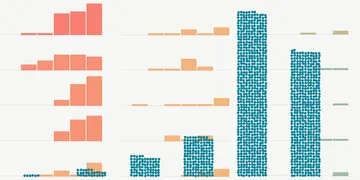
At the end of June 2026, the county’s jails had 131 people who were waiting more than six months without a charging decision from a prosecutor, including 56 who had been held over a year, according to an analysis by The Marshall Project.
Public defenders say the people who end up stuck in jail typically fall into one of three categories: people who can’t afford their bail, people denied bail by the judge, and people with mental health challenges that need to be addressed before they can be released.
The Marshall Project spoke to three men who have waited for months at the Raymond Detention Center without formal charges — known as an indictment — after they were arrested for nonviolent offenses. During this period, their lives have been in limbo: losing jobs, time with family, and their health, all while sitting without answers inside a notoriously dangerous jail currently under the control of a federal court-appointed administrator.
When you can’t afford your freedom: Depaul Davis, 412 days
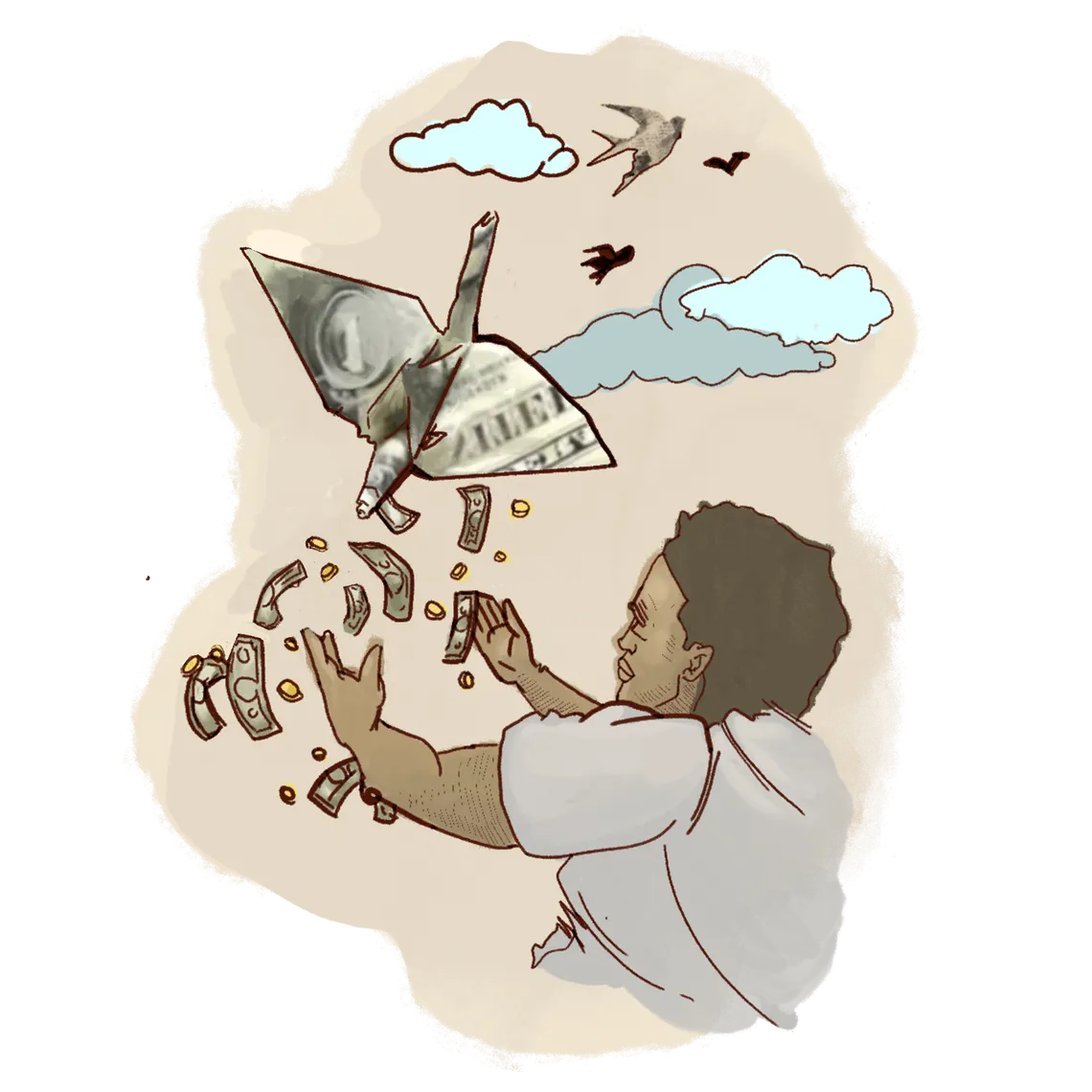
September 2026 marked one year that Depaul Davis has been waiting on an indictment. Davis, who has long struggled with homelessness, said he was working day labor jobs to try to scrape together enough money to secure permanent housing when he was arrested last year.
A judge set Davis’ bail at $75,000. Bail bondsmen typically take $7,500 upfront, but that was far beyond his ability to pay. Without any family to turn to for help, his only choice was to remain in jail, waiting to see if prosecutors would take his case to a grand jury. In Mississippi, the district attorney’s office cannot pursue felony charges without an indictment from a grand jury.
“I was staying on the streets, trying to keep labor jobs, waiting to get on a Section 8 housing program,” Davis said. “I couldn’t afford a lawyer, couldn’t afford anything.”
Davis said he only expected to be in jail for about two weeks after making his first court appearance last year. Twelve months later, what’s most frustrating isn’t the roaches, or the countless nights spent sleeping on the floor of an overcrowded cell — it’s that behind bars, his life is frozen, unable to pick up work or continue his search for a real home.
“I was looking at apartments on Highway 80, trying to get housed so I could get stable,” he said. “It can get old, staying at a hotel just one or two days until you run out of money.”
He knows the first step is finding a steady job, maybe something in the service industry. Then, he said, he wants to go back to school for business or hospitality management. He dreams of one day running the hotels he used to sleep at just to get one night of clean sheets and a shower.
More than anything, he said, he wants to get out so he can begin taking steps toward turning his life around. “Life can tear at you in so many different ways,” Davis said, and he’s tried his best to endure the wait gracefully. But at times, it can be hard to comprehend how a whole year has gone by without any movement on his case.
“I can get a little impatient, trying to understand. It’s just frustrating because I can’t make progress,” he said in September. “I’m 29 now, and I don’t want to be found in this same situation at 30 years old.”
In October, Davis turned 30. Still in jail.
When the judge won’t set your bond: Malik Sterling, 254 days
On his 29th birthday, Malik Sterling found himself in jail and only able to see out of one eye.
Roughly two weeks earlier, Sterling was riding a dirt bike for the first time when he flew off the bike, severely injuring his left eye. He had surgery scheduled with an eye doctor to try to save it. But days before his appointment, he was arrested.
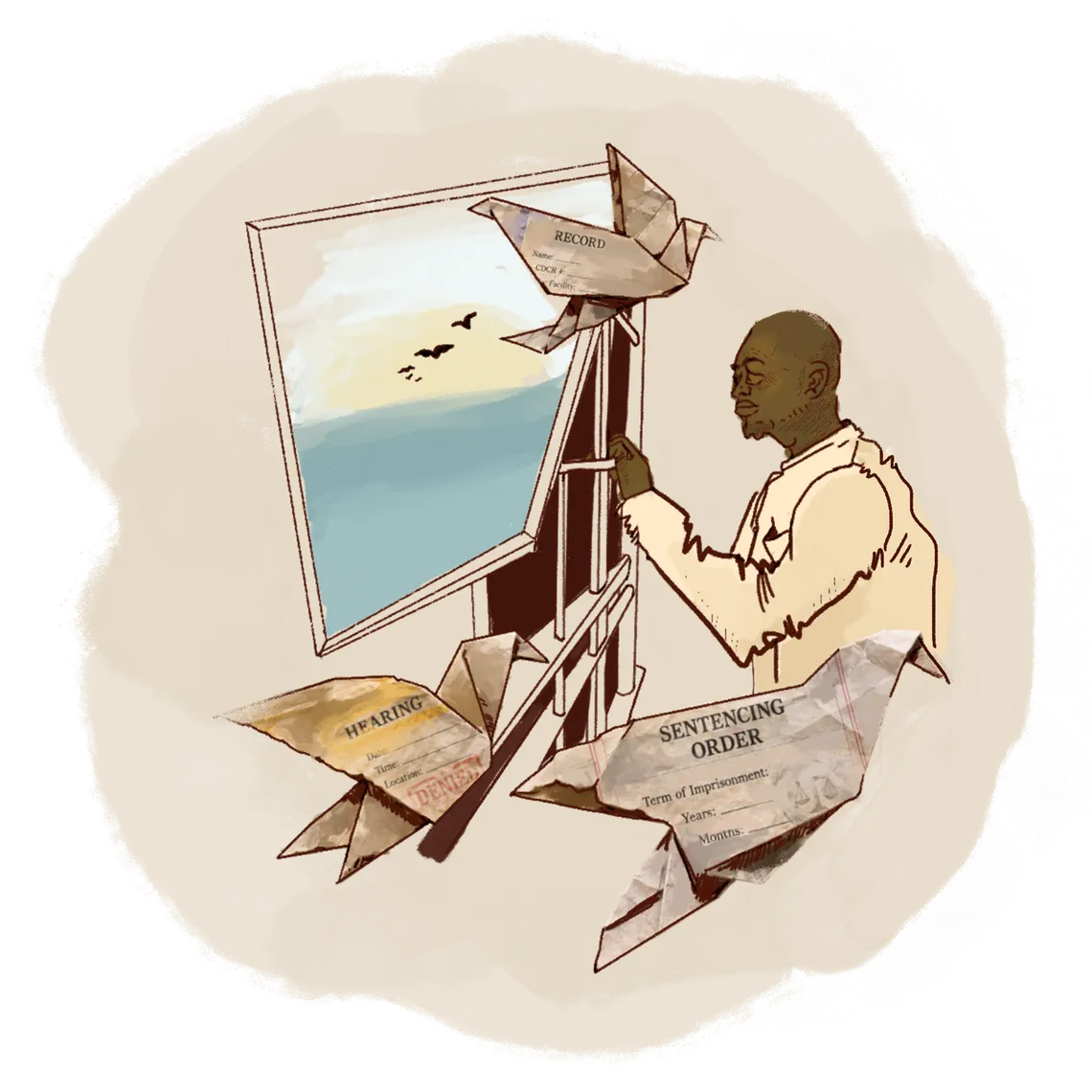
An arrest on a nonviolent charge would typically mean the possibility of release on bail, but a judge gets the final say. In Sterling's case, the judge disqualified him from bail because of a prior felony charge. If the previous case was still open, it would make Sterling ineligible for bail in Mississippi. His lawyer, however, argued in a July motion that the court closed the old case months ago.
But Sterling was still denied bail and has been sitting in jail since February, waiting for prosecutors to decide what to do with his case.
Jail officials wouldn’t let Sterling go to his scheduled medical procedure, he said, delaying treatment another two months before he was finally allowed to see an outside doctor. By then, it was too late to save his eye.
“The only thing they said they could do for me was remove it,” said Sterling, whose left eyelid now droops over a milky surface. “I done lost everything, including the eye.”
Neither the county sheriff nor the court-appointed receiver responded to multiple requests for comment about Sterling's access to medical care. The receiver, Wendell France, is barred by a federal judge from making public comments.
In addition to his vision, Sterling said he’s felt the loss of the past seven months in nearly every area of his life, from finances to family to his sense of stability.
“Everything I had going before I came here, I lost. All I’ll be coming home to is the pair of clothes [I came in with]. I can’t go to school, can’t go to work,” he said. “I ain’t got nothing to go back to. I just hope my loved ones are there for me when I get home.”
Sterling used to see his 5-year-old son and 4-year-old daughter — whose nickname is tattooed above his right eyebrow — every weekend. But without any way to load money into his account on the jail’s phone, Sterling rarely speaks to them anymore.
“I liked to buy them things, like if they do good on their report cards, but I can’t now because I can’t fend for myself financially,” he said. Last time they spoke, Sterling said, his son wanted a Paw Patrol truck, while his daughter hoped for a Barbie doll. “But I can’t do nothing for them,” he sighed. “I got nothing.”
Before his arrest, Sterling mainly worked odd jobs: cutting grass and landscaping or washing cars. He’d planned to start school online and pursue a business degree, but he can’t continue his education until he gets out of jail. In the meantime, he said, the connections and repeat customers he built up while working have fallen away.
“I’m basically just like a dead body to the world,” Sterling said, adding that the hardest part has been waiting without a clear end date. He asked his attorney for a timeline — any sense of when the district attorney’s office might decide whether to pursue his case — but he knew that nothing was certain in a court system rife with lag and delay.
“Most frustrating is not knowing: how long it’ll be, when I can go to court. I’m just sitting here,” he said. “I don’t got no court date, I don’t know nothing … As of now, I’m just lost in the system.”
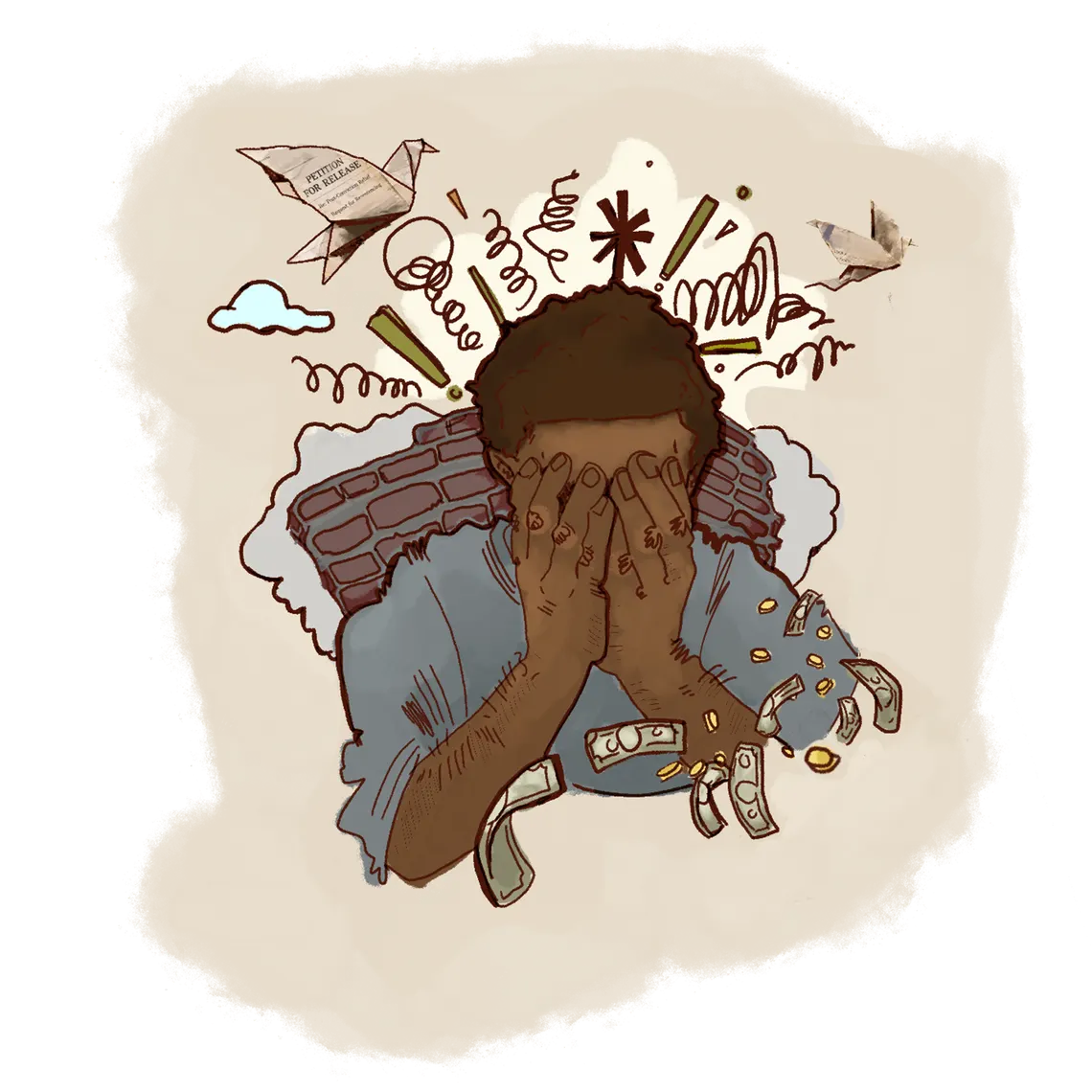
When your mental health leaves you stuck in the system: Kahari Thicklen, indicted after 135 days
Kahari Thicklen didn’t know his symptoms — erratic behavior, mood swings — had a name when he entered jail in April 2026.
Thicklen now realizes he has a mental health condition and described the coping mechanisms he plans to rely on to rebuild his life once he’s out of jail: mainly, seeking quiet environments where he can better manage his thoughts and emotions. But even though his mood and behavior stabilized, 24-year-old Thicklen continued to sit in jail waiting on an indictment.
“Because of my mental health, it’s taken time to figure out a good solution,” Thicklen said in September, adding that he was nevertheless surprised to still be sitting in jail after nearly 5 months. “I did think it would take a little shorter time, maybe more like 2 months… but I know [in this legal system], anything can happen.”
While in jail, Thicklen missed his only child’s first birthday in August. He said he tries to call his sister, who has custody of the baby, daily to speak to his son — but it’s not the same as holding him or looking into his eyes, watching him develop from an infant to a toddler.
Equally challenging, Thicklen hasn’t been able to work while in jail; he spoke of the debts he imagines piling up while he sits in his cell, from medical bills to car insurance.
“It’ll take a toll on you,” he said. “Some days you might wake up depressed, some days you might wake up mad, and some days you’ll be okay.”
Before his arrest, Thicklen worked warehouse jobs and most recently drove forklifts for an auto manufacturer. Eventually, he plans to go back to school, ideally in a hands-on trade like culinary school or welding. But he said his first step will be getting a job in a familiar industry and trying to make enough money to clear the hundreds of dollars in debt that’s likely accumulated while he’s been stuck behind bars.
In August, the district attorney’s office indicted Thicklen on only one of the three charges he was initially arrested for, and declined to act on the remaining allegations. Because prosecutors are not legally required to dismiss them, those charges could linger on his record forever.
“In their minds, it’s not their problem to clean up his record,” Thicklen’s attorney said in September. “But a kid who had a mental health episode does not need to be here, sitting in one of the most dangerous jails in the state.”
Thicklen has since been moved to another facility, with a trial date scheduled for March 2027, according to his lawyer and court records.
When asked about the first thing he’ll do whenever he gets out, Thicklen said: “Call my job and try to get back on the schedule.” But he acknowledged there was no guarantee his old employer would take him back after so many months off the job.
“If I can’t go back there, I’ll go somewhere else,” he said resolutely, before pausing. “I just hope it doesn’t take too long.”