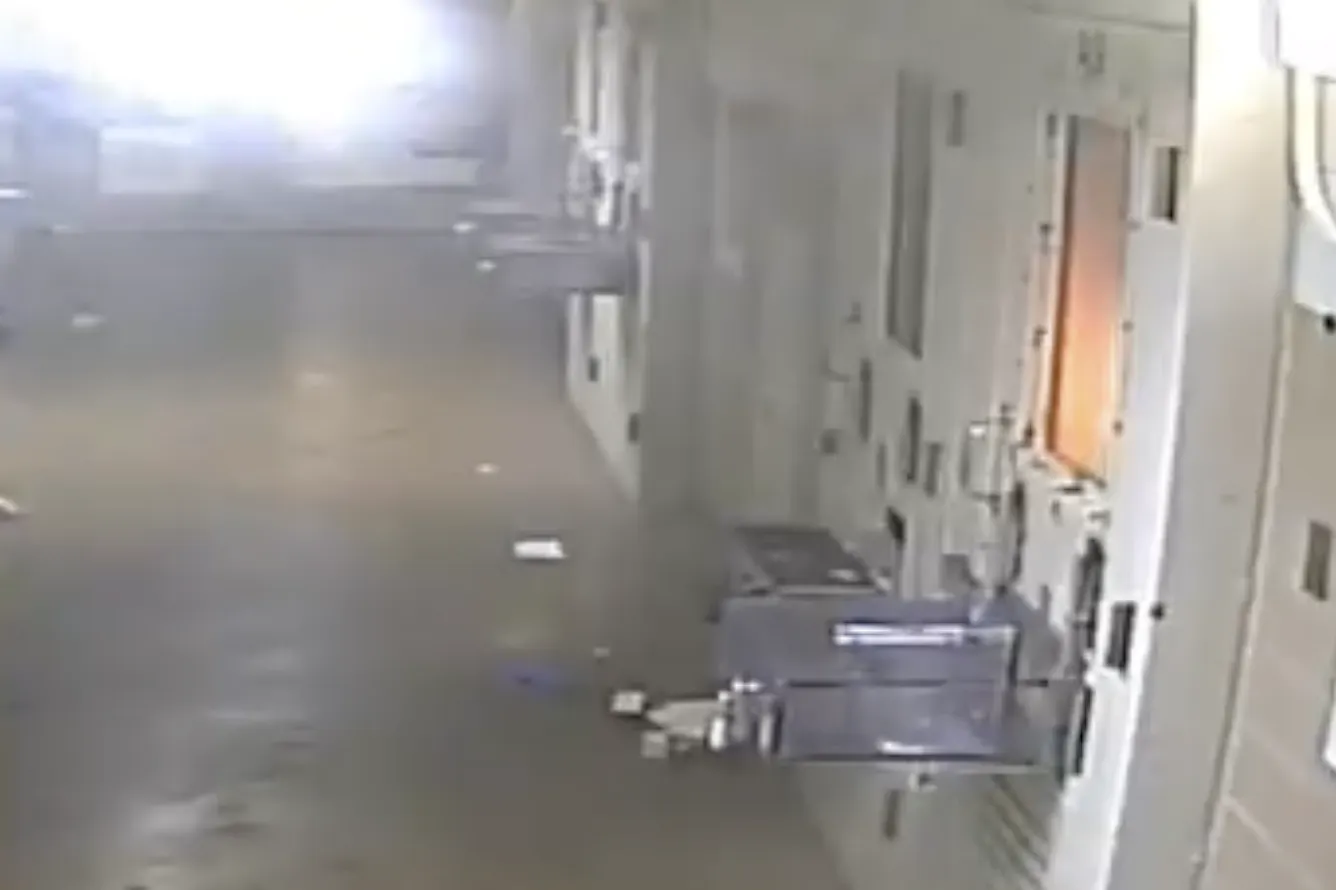
The Joliet Treatment Center is a prison in Illinois with a mission to provide mental healthcare to people with serious needs. But the prison has become a place of such extreme desperation that people set their cells – and themselves – on fire.
An investigation by The Marshall Project, WBEZ and the Chicago Sun-Times counted more than 70 fires at the Joliet Treatment Center in the last three years. One man needed a skin graft. Another lost a leg. Two men died from their injuries.
Here are three quick takeaways from our reporting on the fires and the response by the prison and the Illinois Department of Corrections.
-
The Joliet Treatment Center lacked infrastructure to prevent and fight fires. During routine annual inspections, prison officials could not provide a fire evacuation plan to the Office of the State Fire Marshal. The marshal’s reports also noted that alarms were turned off. According to a government document after one deadly fire, an electrician who worked at the facility said cellblocks lacked sprinklers, and fire safety issues had come up at staff meetings, but were not addressed.
-
The prison delayed ambulances from entering or exiting during emergencies. Local fire officials said employees held up ambulances at the prison gate. Despite the local fire department repeatedly raising concerns to prison administrators, the fire chief said the problems continued. In one case, prison and fire department documents reveal that an ambulance carrying a man suffering life-threatening injuries from a fire to the hospital was forced to wait at the gate for 28 minutes. A prison employee said they needed paperwork and correctional officers to accompany the ambulance. The man, Jason Stephens, later died from smoke inhalation.
-
Men set fires because they were desperate for help. Men who set fires in their cells talked to The Marshall Project about what led them to do something so dangerous. They described being frustrated with a lack of mental and physical healthcare and loneliness while locked in their cells. Men said they tried other ways to get attention, like talking to prison employees, but were ignored. One employee said that she, and her coworkers, had gotten used to other forms of self-harm like cutting or swallowing objects. The guards and other workers soon became inured to the fires as well. “No matter what they do, it’s not enough,” she said.
The Illinois Department of Corrections declined to answer questions about the fires at the Joliet Treatment Center, citing pending litigation. In a written statement, a spokesperson said that the department takes its responsibility to uphold requirements related to facility safety seriously.
Since the investigation was published, lawmakers, civil rights lawyers and advocacy groups have called on the state to address these issues by improving fire safety, emergency responses and mental healthcare at the prison.
During a press conference, Illinois Gov. JB Pritzker said he was limited in what he could say about the fires because of pending litigation. According to Capitol Fax, he added: “I think we all recognize that if we want a better justice system from start to finish, we need better mental health care.”