Marie-Pierre Py coordinates reentry and circles of support and accountability at an organization for formerly incarcerated people and volunteers in Brattleboro, Vermont, called Interaction: Youth Services & Restorative Justice. She also leads circles in Southern State Correctional Facility (SSCF) in Springfield, Vermont.
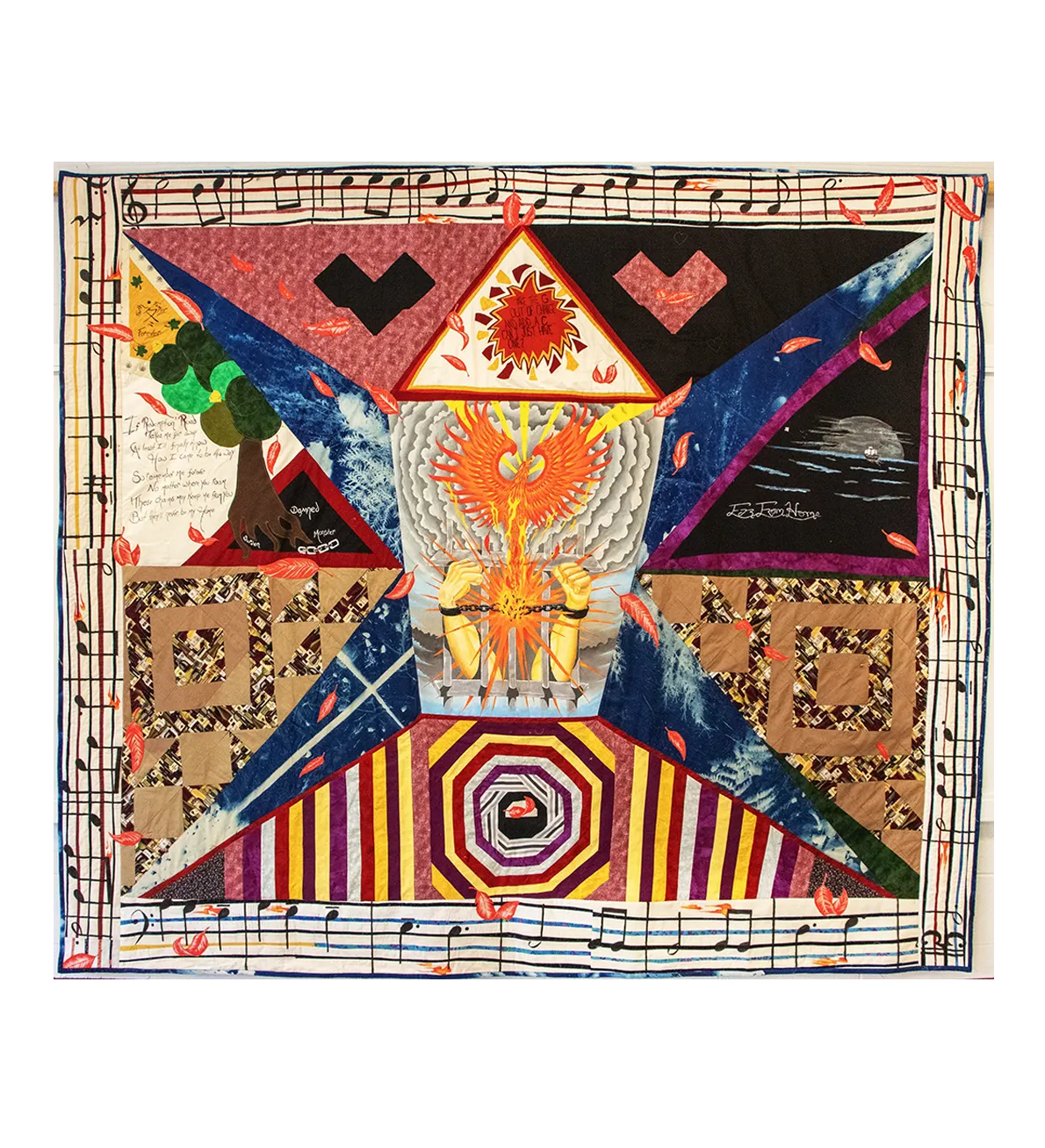
Over the past year, Py led a quilting workshop with men at SSCF, where they created a piece currently on display at the Brattleboro Museum & Art Center. When the exhibit — titled “Fractured, Not Broken” — is over, the quilt will hang at SSCF, where incarcerated men can see it. The Vermont Department of Corrections does not allow media interviews with most incarcerated people, including the men who created this quilt.
I got a letter about four years ago from a man incarcerated at Southern State asking for information about restorative justice, so I sent some books.
Then he wrote back, “Is there any chance we could have a workshop?” So Mel Dawson, correctional facilities program manager at Greater Falls Community Justice Center, and I offered an intro to restorative justice to people who were in the Honors Unit at the time. This group of men was totally into it, and they asked us if they could continue circling, and we haven’t stopped since.
Artist Statements
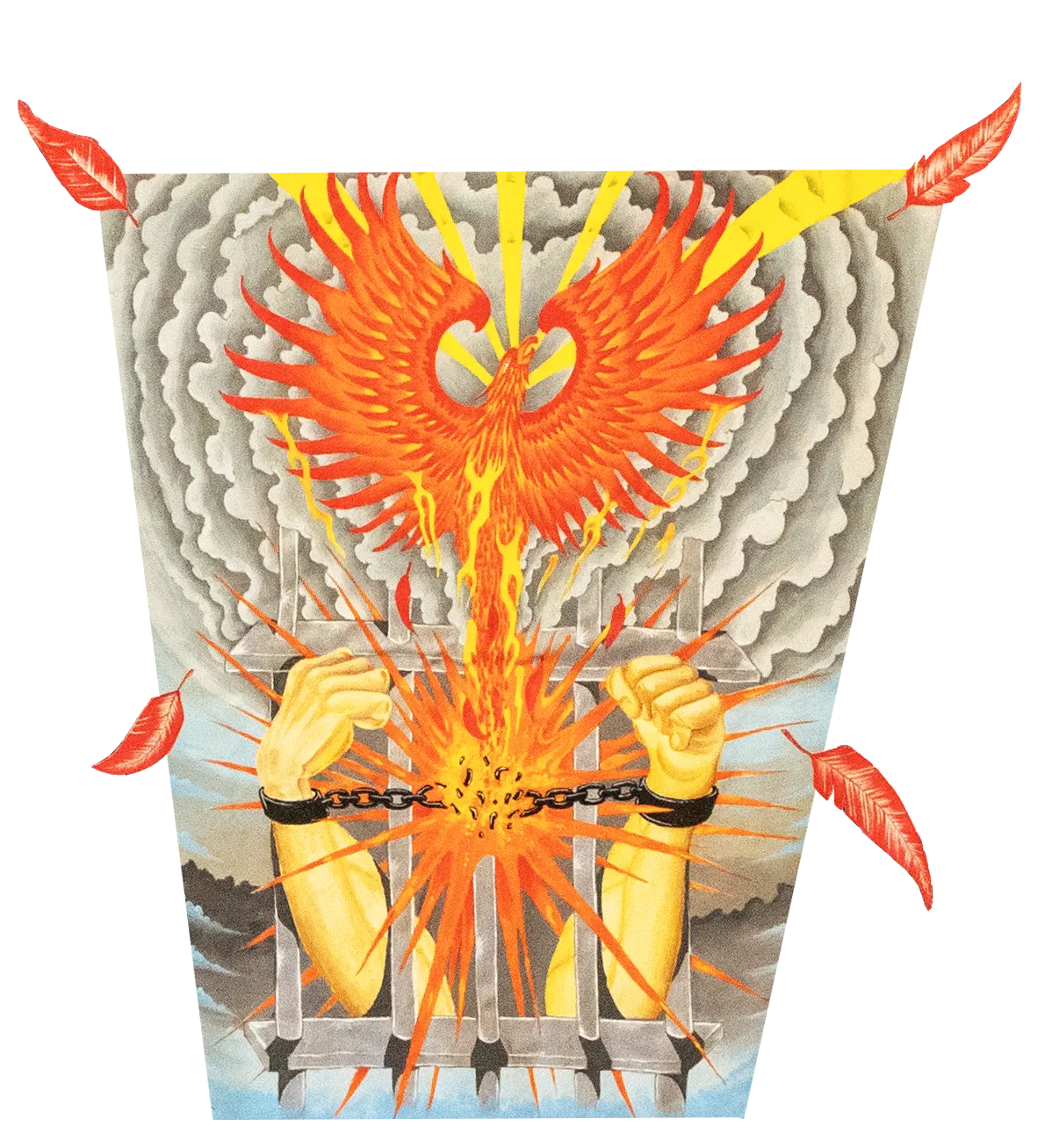
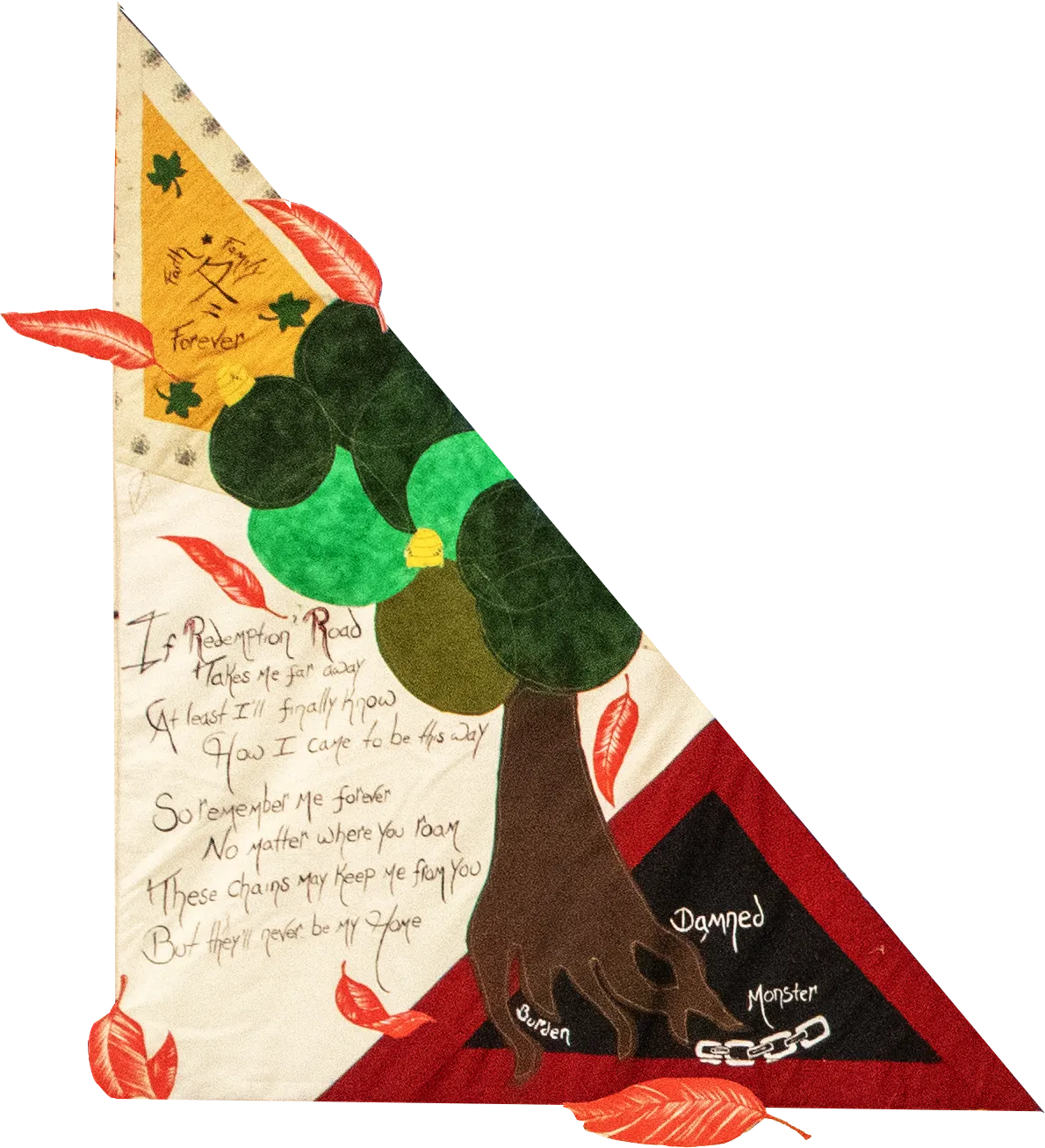
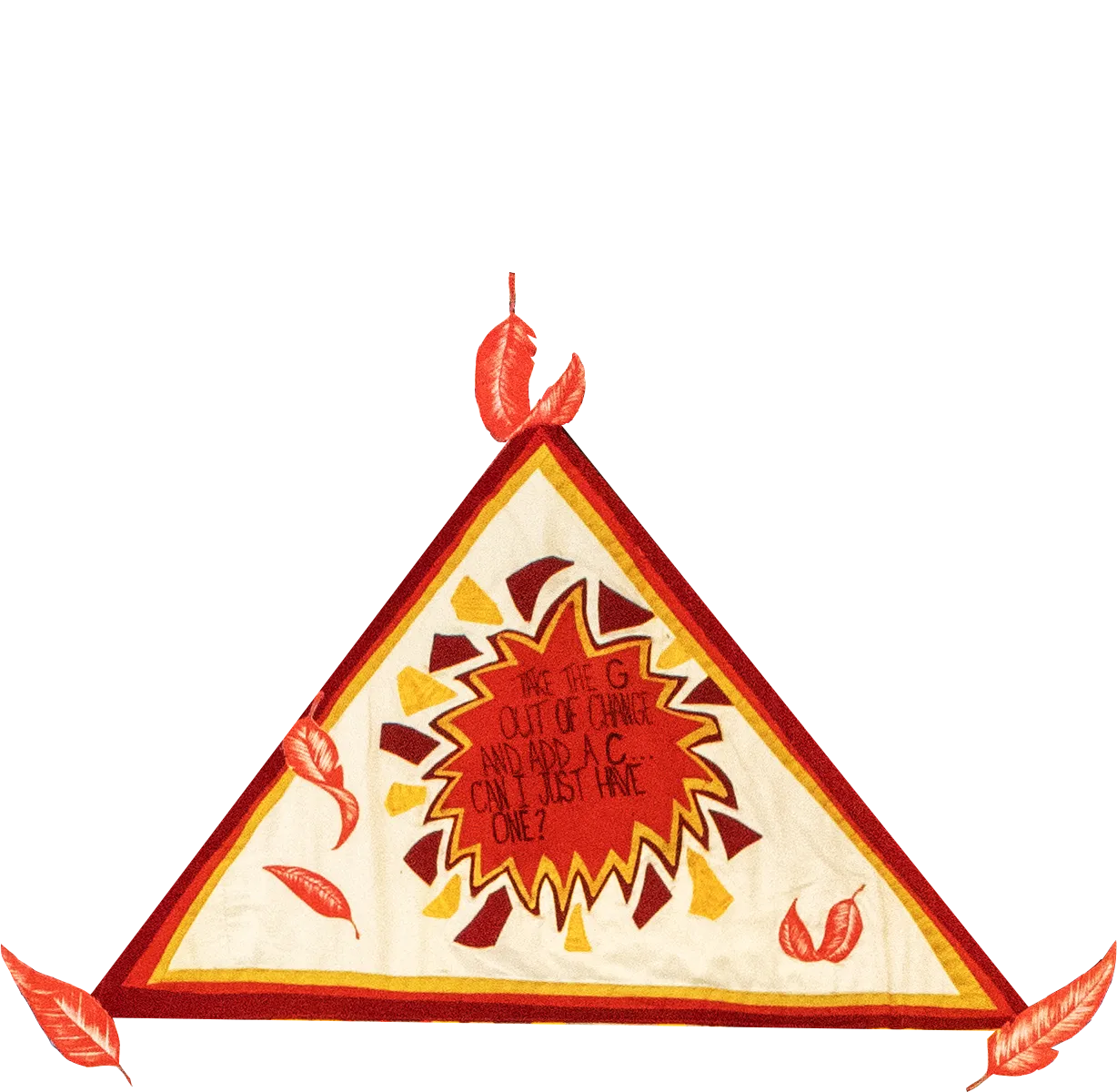
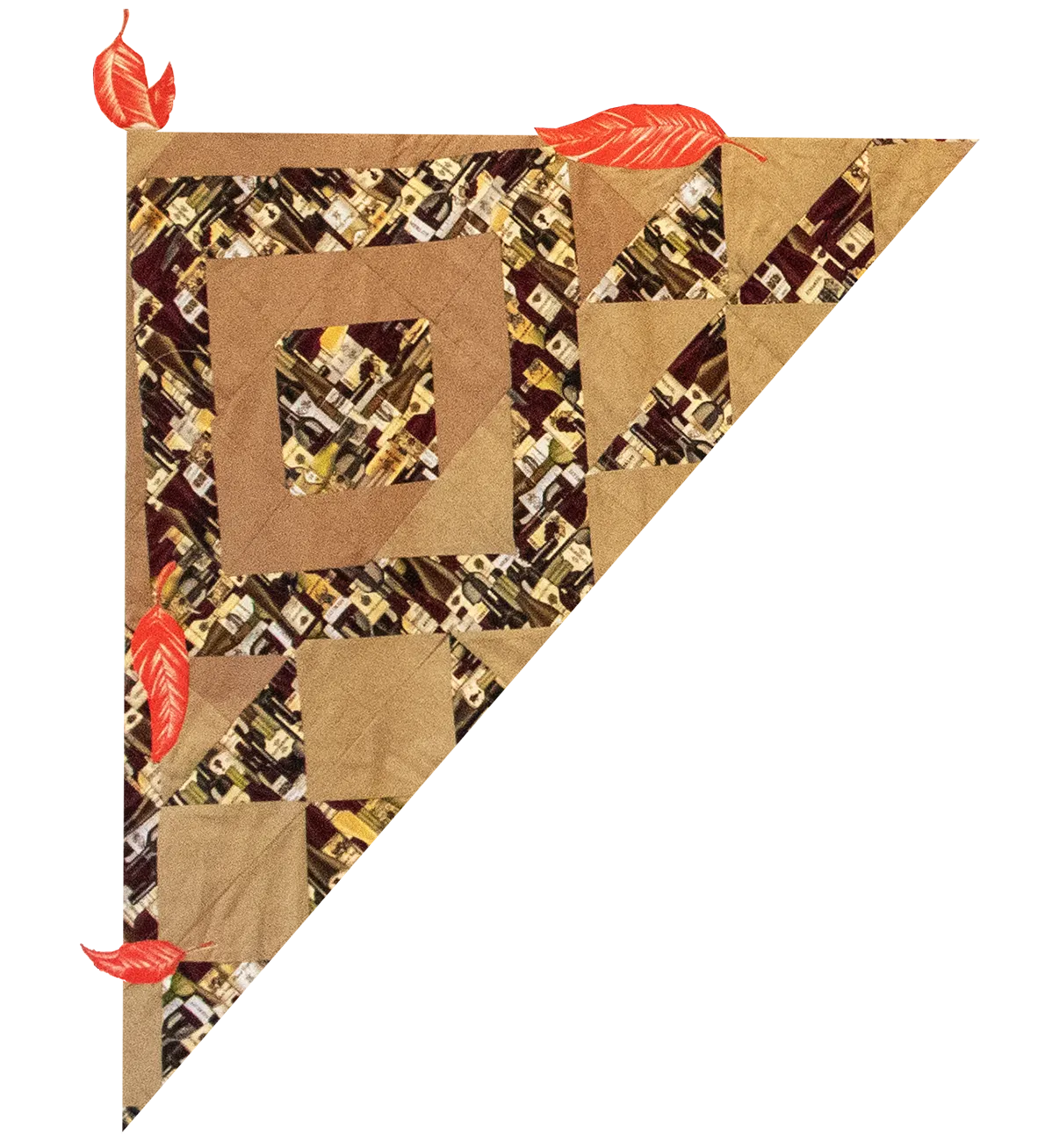
At some point it became apparent that there were guys who were interested in participating in the circles who couldn’t quite make the leap to actually stepping in and daring to speak and making themselves vulnerable in that way. So, we wanted to create other pathways to building the trust that would allow them to walk into the door of those restorative circles. People need different ways to explore their experience, both the experience that led them to be incarcerated and their experience of incarceration.
I love to quilt, so it made sense for me to offer something that I love to do.
Abby Crocker, a University of Vermont professor who focuses on prison issues, and I pitched the project to Gio — Anthony Giordano — the volunteer coordinator at SSCF, and he was like, “Well, why don’t we see what the interest is. Make a flyer and people can sign up.” We had so many people sign up, and ultimately he really whittled down the list because the prison administration was worried about safety. They had to really buy into this project and advocate for allowing us to bring in needles and scissors and rotary cutters and airbrush machines. I think Gio’s selection process was to choose people who can be trusted with sharp instruments, so people who had minimal disciplinary reports. He also chose folks who are going to be in for a long time and need this kind of outlet. He ended up selecting 12 people, and six of them really stuck with it and showed up every time.
At the beginning, the plan was for the men to design and make a patchwork, which we would then machine quilt on the outside and exhibit at the museum. The museum helped us get additional funding and connected us to two volunteer artists — Evie Lovett and Suzie Walker — who came to teach quilting and the indigo cyanotype techniques you see in an X between panels.
Then we taught quilting skills. Then the men designed the quilt together, and assigned different pieces to each other and worked on their individual blocks.
We provided very little guidance or facilitation. What we contributed was structure — every time we began a session, we started with a short circle check-in where people were able to say, “This is how I’m feeling today.” There’s always someone who’s struggling with something big — like an upcoming court date or a family loss, and they can’t participate in the family grieving process because they’re incarcerated.
After about two months of skill building, they said, “OK, we’re ready. What’s the next step?” Then it was just about holding circle space for them to have those conversations and figure out how to collaborate. There was no one-upmanship, there was no fighting over the center piece or fighting over a concept; people were really trying to do something together.
The guys made the cyanotypes early on in the workshop, and they were just in the pile of fabrics we could use for the quilt. And when they were designing the quilt, they said, “Well, we definitely want to contribute individual blocks so we can offer a personal perspective on the central theme of transformation, but we need a way to unify these various pieces.” So they said, “What about using these cyanotypes, which are the product of all of our hands, and using those to tie in the other pieces?”
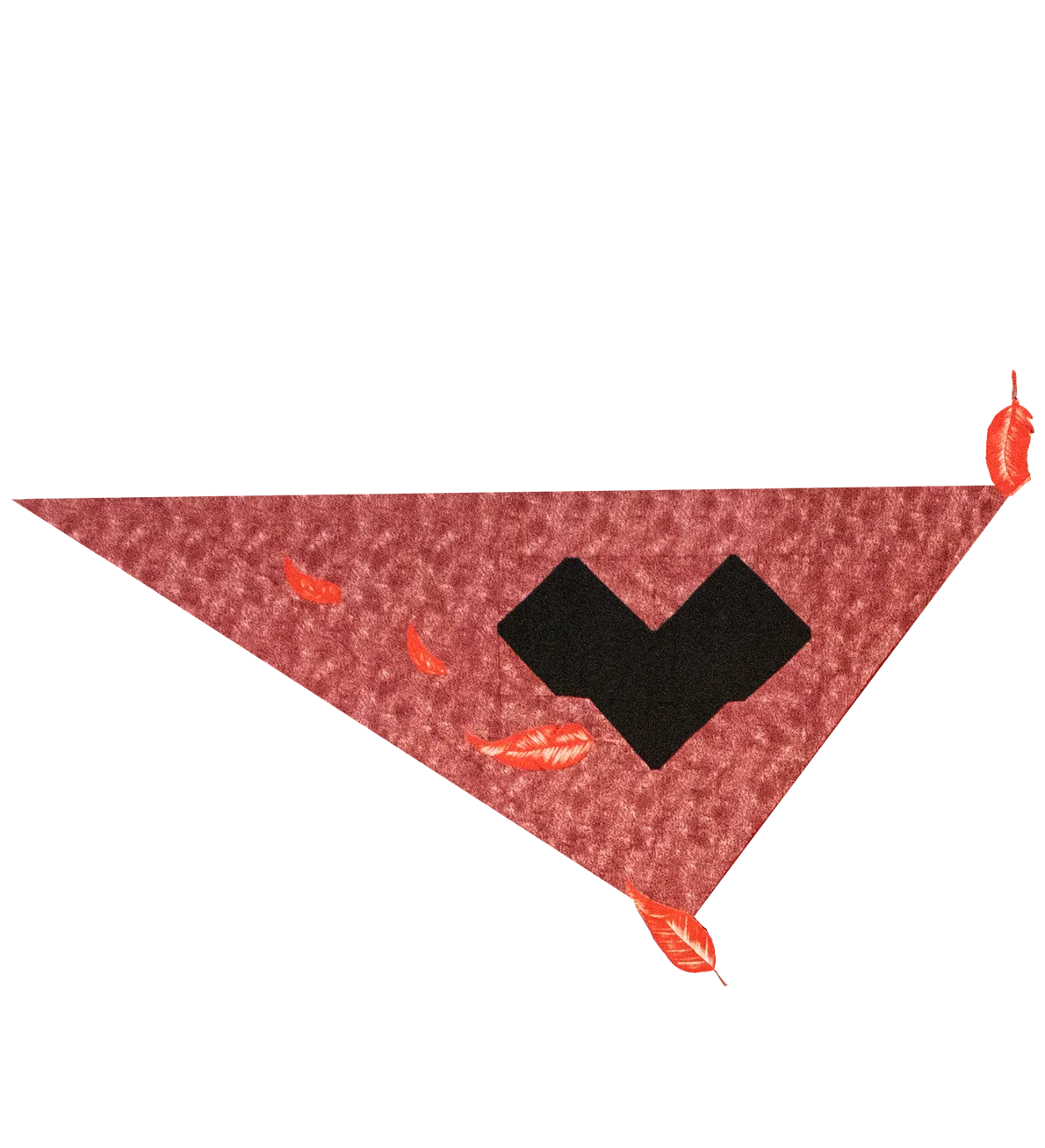
It was the same thing with the feathers. They said, “Oh, the central panel is painted so it’s slightly different than quilted ones.” I forget who came up with the idea of having [appliqued] feathers that disperse throughout the quilt, but that was a way to tie in the central painted panel. It was the men coming up with these ideas and agreeing on them.
It became apparent by January 2026 that they were making a really powerful piece that had the potential to be really impactful for the public. So we had to involve the community in a much more hands-on way. Back in the day, people didn’t have high-tech quilting machines. Instead, you’d quilt it with your community and your family. So there was something about the quilt medium being really apt for a community project of adding stitches.
When I proposed that to the guys, it was an immediate yes. It’s been so sweet to see how willing the community was to participate and also just how beautiful it is to have a variety of stitches. From a 5-year-old just putting in five irregular stitches, to people stitching beautiful text or images.
One of the joys of this project was how the project organically grew. Alli Ellis-Cooper, a UVM student who came to play viola for the quilt workshop, was so inspired by how the men were working together on this project that she composed a piece of classical music in their honor. And they, in turn, were so touched that they included the notes of the score as a border to the quilt. And then, Greater Falls Community Justice Center’s Dawson, along with a group of formerly incarcerated community members who have been circling together for years, recorded the song that quilter Q.G. wrote and featured in his quilt block. Both those pieces of music are included in the museum exhibit.
One of the things that I really want people to understand is that even though we rarely are able to work directly with victims, and rarely able to bring in the voices of the victims, they are centered in the sense that our mantra is “no more victims.” Some people have stitched that into the quilt, and I really appreciate that.
Prison staff have come to really appreciate our restorative offerings in general. I think they see that the men are building positive relationships together in those circles, have space to do some processing of emotions and emotional regulation in those circles. They’re also getting support around some of their re-entry planning. Men are returning to their units more regulated, more connected to each other, and also with a clear idea of what they want and need to do in preparation for reentry.
Ithought there would be more resistance to the idea of quilting — quilting is thought of as a feminine art. But the guys were really interested in sewing. They were interested in the practical aspect of learning how to use a machine. They were just hungry to make art, and this was what was offered. I was really excited also about the fact that this breaks stereotypes. I think the fact that these guys made a quilt breaks this stereotype of prison masculinity and conveys how our incarcerated community members are longing to grow and learn new things.
I really hope that this quilt will continue to travel a bit and be a talking piece for communities to be in conversation both about how we respond to crime in ways that truly serve our communities and how we can better support the reentry process. And when the quilt returns to hang at the prison, I hope the men will be really proud of their work and that it will remind them that they are not alone in the hard work of transformation and that there are many of us out there ready to welcome them home.
Annaliese Griffin is The Marshall Project’s newsletter editor, where she edits and oversees the production of newsletters like Opening Statement, Closing Argument and our local newsletters. She develops new newsletters and also manages and edits News Inside, The Marshall Project’s print magazine circulated in prisons and jails. She is a longtime board member and COSA volunteer for Interaction.