I spent last summer scouring the South for the products of prison labor in a strange scavenger hunt across small-town America.
A freshman’s dorm mattress at Mississippi State University. A Georgia Medicaid patient’s eyeglasses. The goalpost padding at Bauxite High School in Arkansas. The burn ban flag at the Boerne Fire Department in Texas Hill Country.
All of them were made by people incarcerated in American prisons.
These are photos of just some of the two dozen objects I was able to track down using state prison industries catalogs and social media accounts. Most are the actual products made by prisoners, others stand in for ones that were.

Incarcerated workers at the Mississippi State Penitentiary in Parchman produce mattresses for MAGCOR (Magnolia Correctional Industries). These mattresses end up at public colleges and universities across the state, including the dorms at Mississippi State University, such as this one in Cresswell Hall.

In Georgia, incarcerated people at Hays State Prison manufacture prescription glasses for Georgia Medicaid patients. They produce over 600 pairs of glasses a day, according to Georgia Correctional Industries. Workers learn how to grind, finish, polish and coat lenses in a certificate program that requires 1,200 teaching hours.
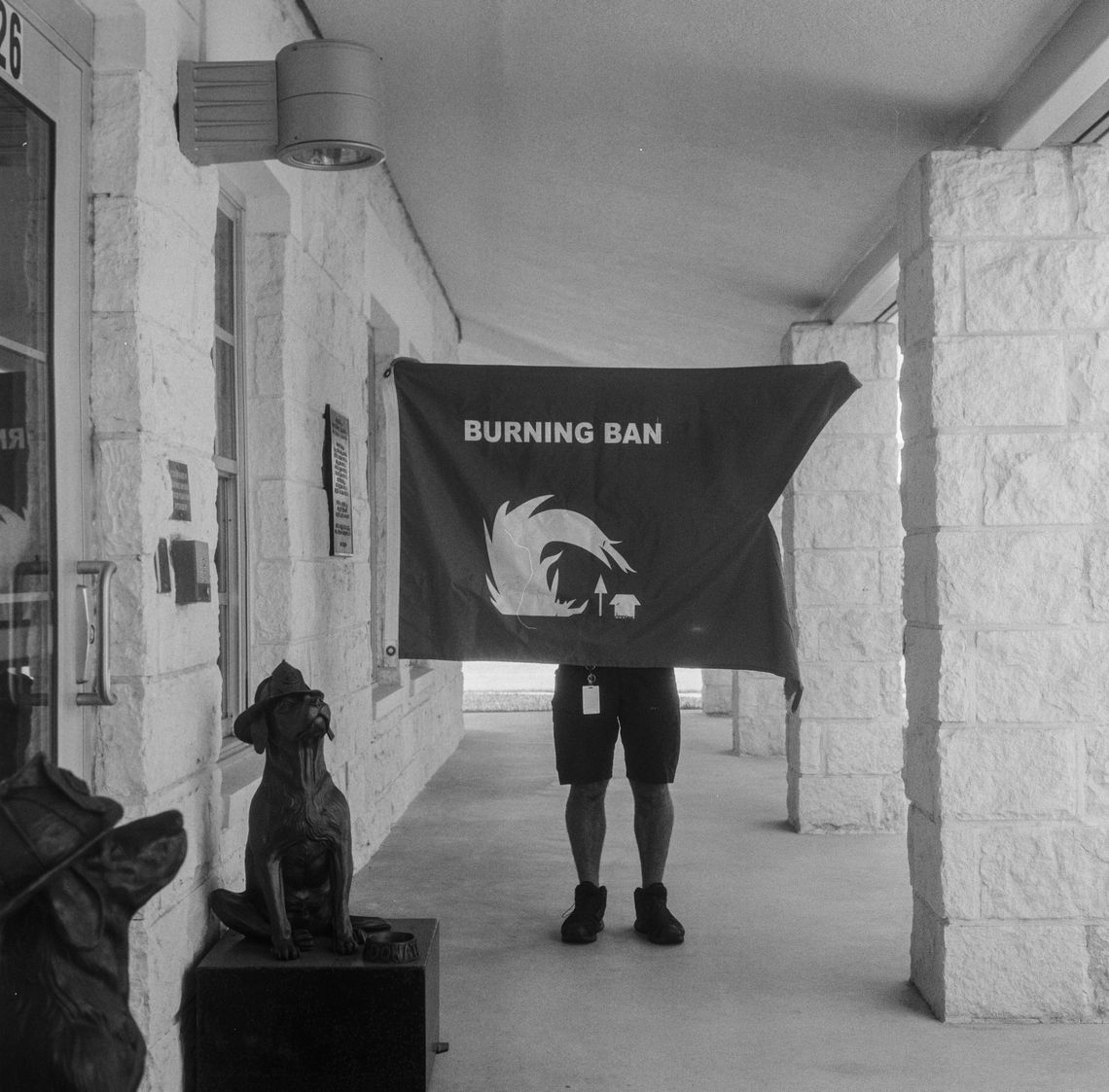
A burn ban flag at the Boerne Fire Department in Texas Hill Country. The Texas Correctional Industries website catalogs goods produced by prisoners in Texas. A burn ban flag, used to caution against lighting recreational fires during droughts, is available for purchase in the site’s Garment Shop for $35.
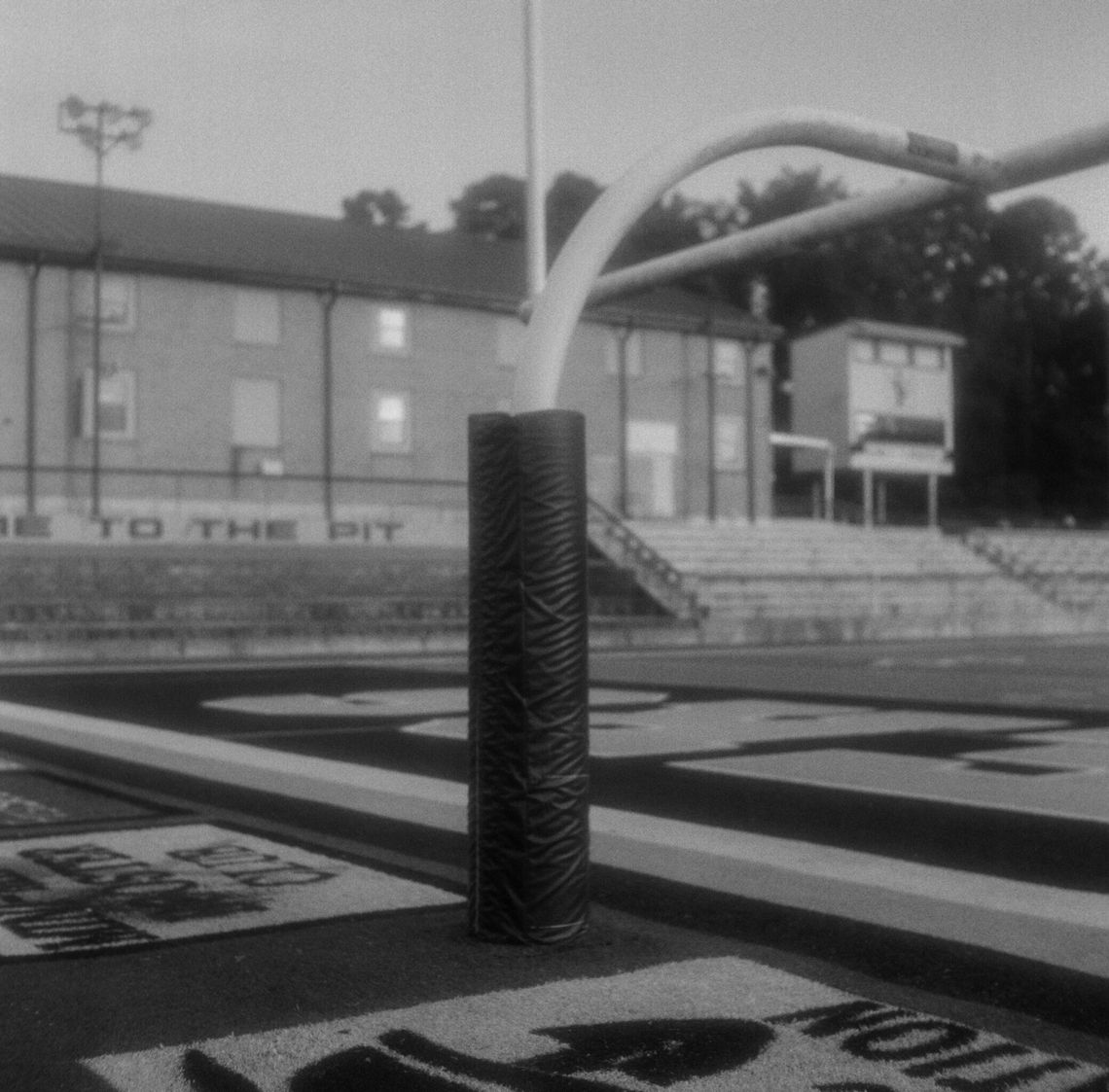
This goalpost padding at Bauxite High School was produced by incarcerated workers through Arkansas Correctional Industries.
The Bauxite Miners play football on this field, which is colloquially known as “The Pit.” The town, home to just over 600 people, is named for aluminum ore, which was once a major source of industry in this region.
In the United States, prison labor is everywhere, a practice nearly as old as our nation itself. Incarcerated workers are responsible for producing over $2 billion in goods annually, much of which is sold via federal and state prison industries to public institutions like libraries, schools, courthouses and government agencies.
Incarcerated workers make between 33 cents and $1.41 per hour working for state-owned businesses — though in six states, prison workers aren’t paid for their labor at all.
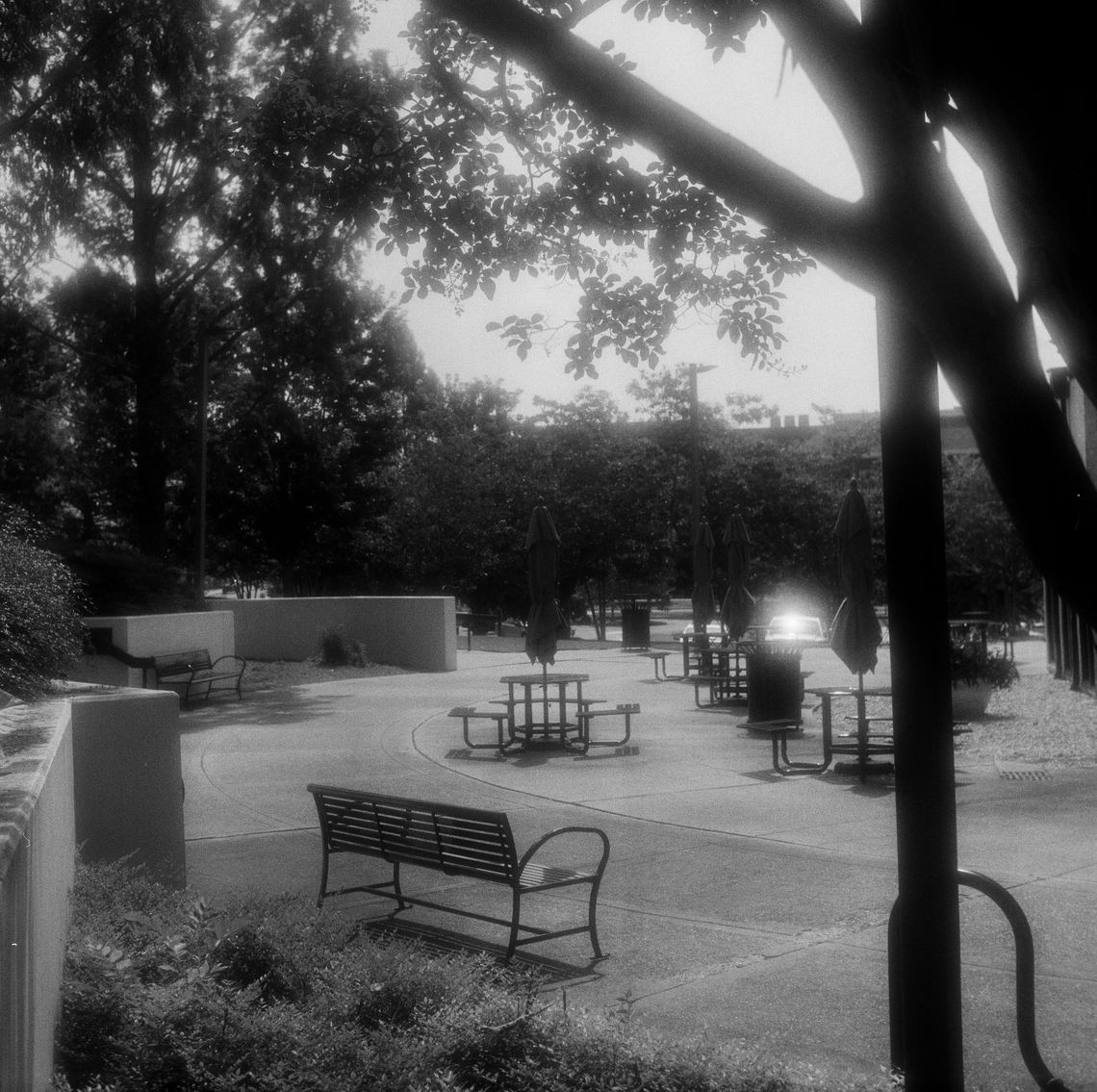
Metal benches, trash cans and tables throughout the Mississippi State University campus were produced with incarcerated labor through MAGCOR, the Mississippi prison industries program.
Incarcerated people from Georgia Correctional Industries worked on items as part of a restoration project for the Winder Public Library in 2018. The job included powder-coating and lowering the height of shelving units, providing end panels, reupholstering chairs, and refurbishing book drop boxes.
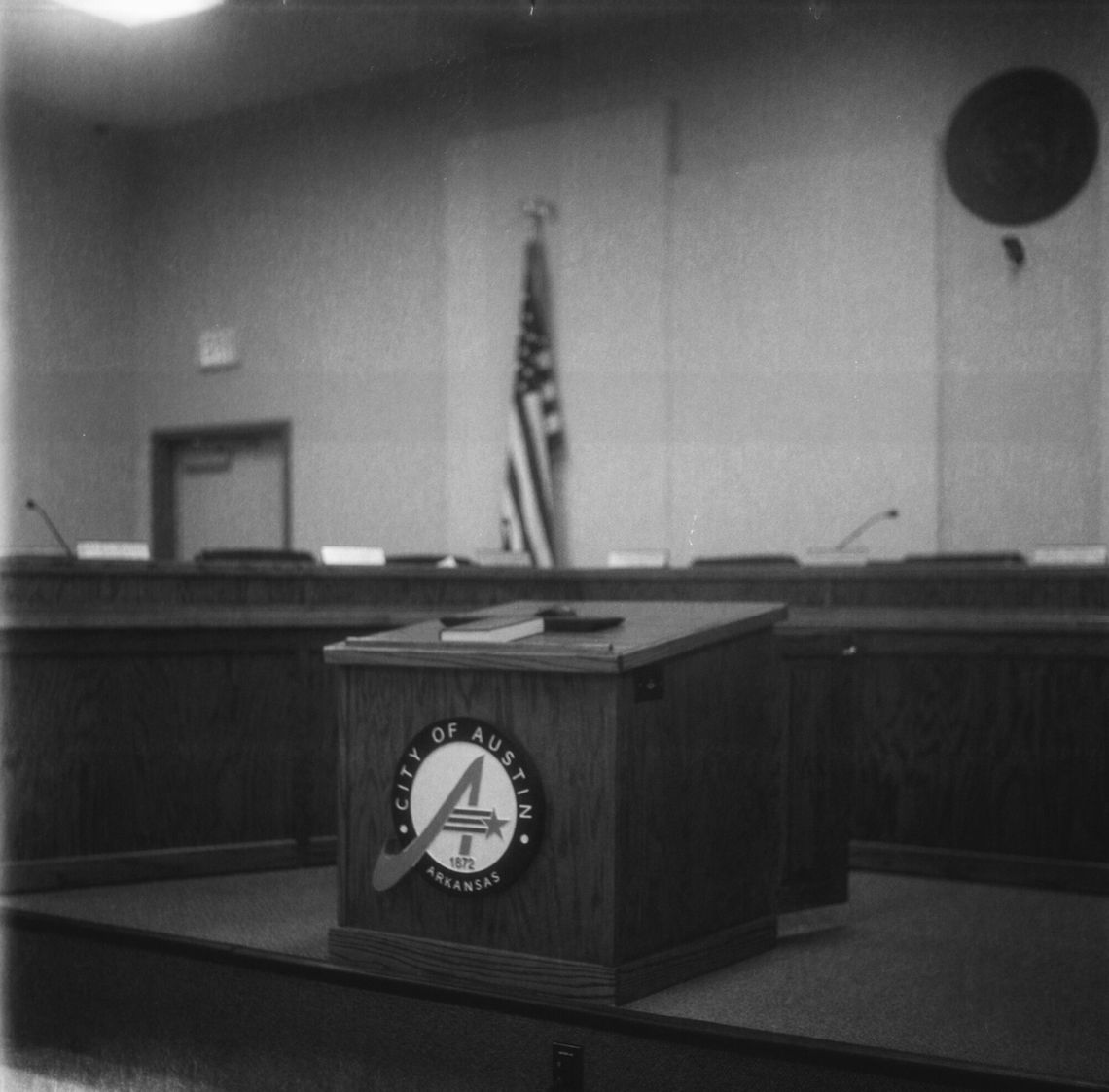
The council table for the city of Austin in Arkansas was produced by incarcerated workers with Arkansas Correctional Industries. Woodworking is one of the more common trades taught as part of state prison industries.
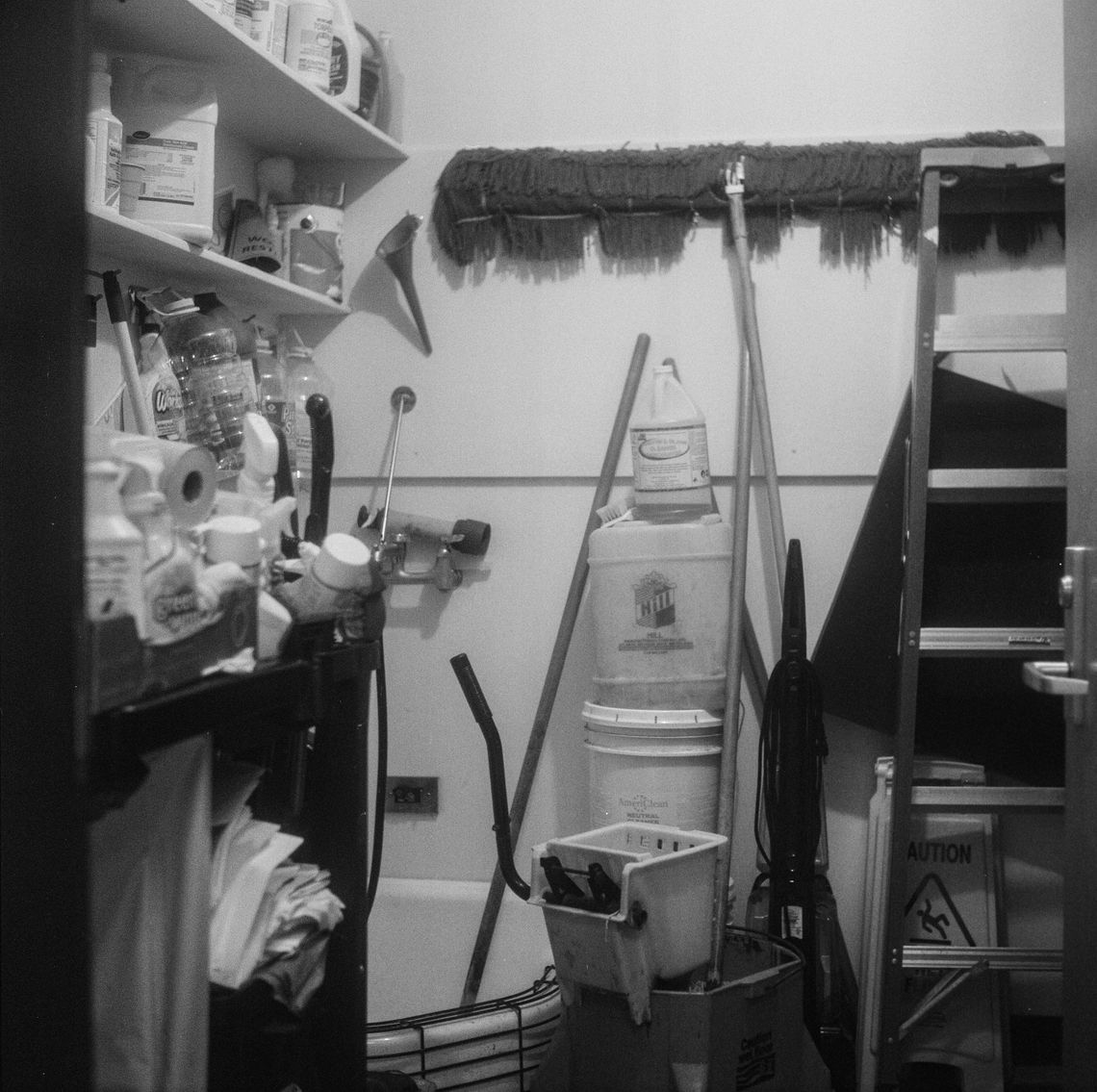
A janitor’s closet at Bevill State Community College in Jasper, Ala., stocks a number of cleaning supplies produced by Alabama Correctional Industries, including a jug of ammoniated window and glass cleaner. Mixing cleaning chemicals, which are often sold to public institutions, is a common type of prison labor.
According to Georgia Correctional Industries, incarcerated workers are responsible for producing most of the grills, fire pits and picnic tables in Georgia state parks. On the left is a grill in Indian Springs State Park; on the right is Fort Yargo State Park.
Proponents of prison labor argue that these work programs are designed to be rehabilitative and beneficial for incarcerated people: by providing a source of income, teaching someone a new skill or giving a person a purpose once they’re released. Manufacturing braille books, for instance, remains one of the most coveted prison jobs because it allows incarcerated workers to spend the majority of their day reading, and teaches them a marketable skill.

A braille copy of “Animal Farm” at the Texas School for the Blind and Visually Impaired in Austin. Today there are more than 35 prison braille programs operating in state and federal prisons through the National Prison Braille Network. In order to be eligible, incarcerated workers must obtain braille certification from the Library of Congress.
The Cross of Calhoun County in Pittsboro, Miss. In March 2024, MAGCOR posted a photo of the cross on Facebook, with the caption, “We are proud of the craftsmanship behind our metal products - exemplified by the Cross of Calhoun County and our beloved Bulldog Benches!”

The conference table at the Arkansas Public Employees’ Retirement System office in Little Rock, Ark., was manufactured by incarcerated workers with Arkansas Correctional Industries. Similar tables are priced at $917.85 – $1,433.13 on the ACI website.
But Carla Laroche, Felder-Fayard associate professor of law at Tulane University and the Murphy Institute, says it’s more complicated. “Prison labor goes back to enslavement,” she said. “Someone is being held in a facility, a prison, and told, ‘You must work.’ They don’t have a choice whether they work or not, what skills they want to learn, or what kind of job they have. And some people might say, great — everybody has to work. Everybody has to pay their bills. But we have the ability to leave. We have the ability to choose. And we can work for ourselves. In some prisons, if you do not work, you will be held in solitary confinement.”
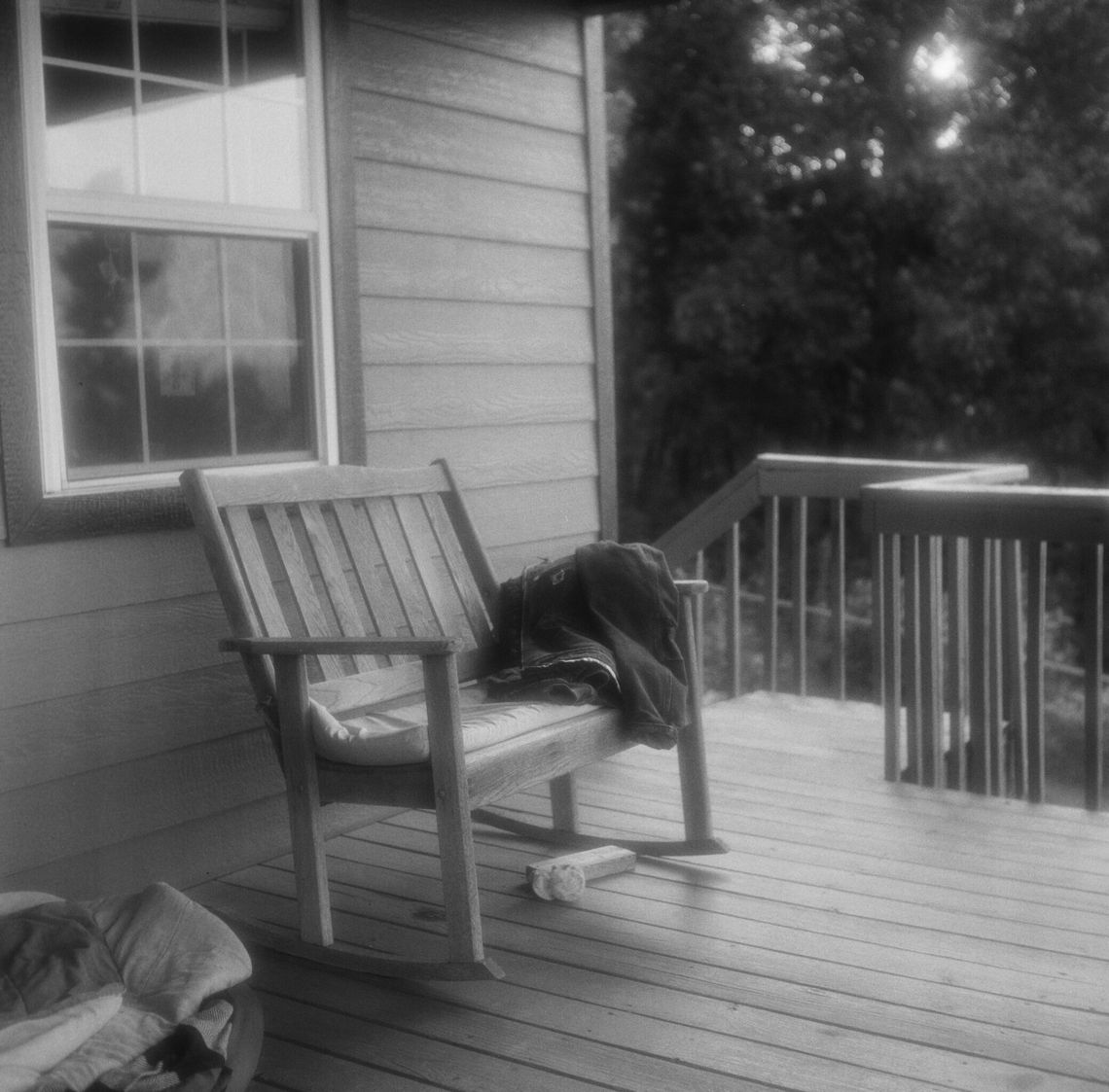
The Arkansas Correctional Industries website catalog lists eight different articles of workwear from the brand Carhartt. Here is a Carhartt Quilted Flannel Lined Duck Active Jacket in St. Joe, Ark.
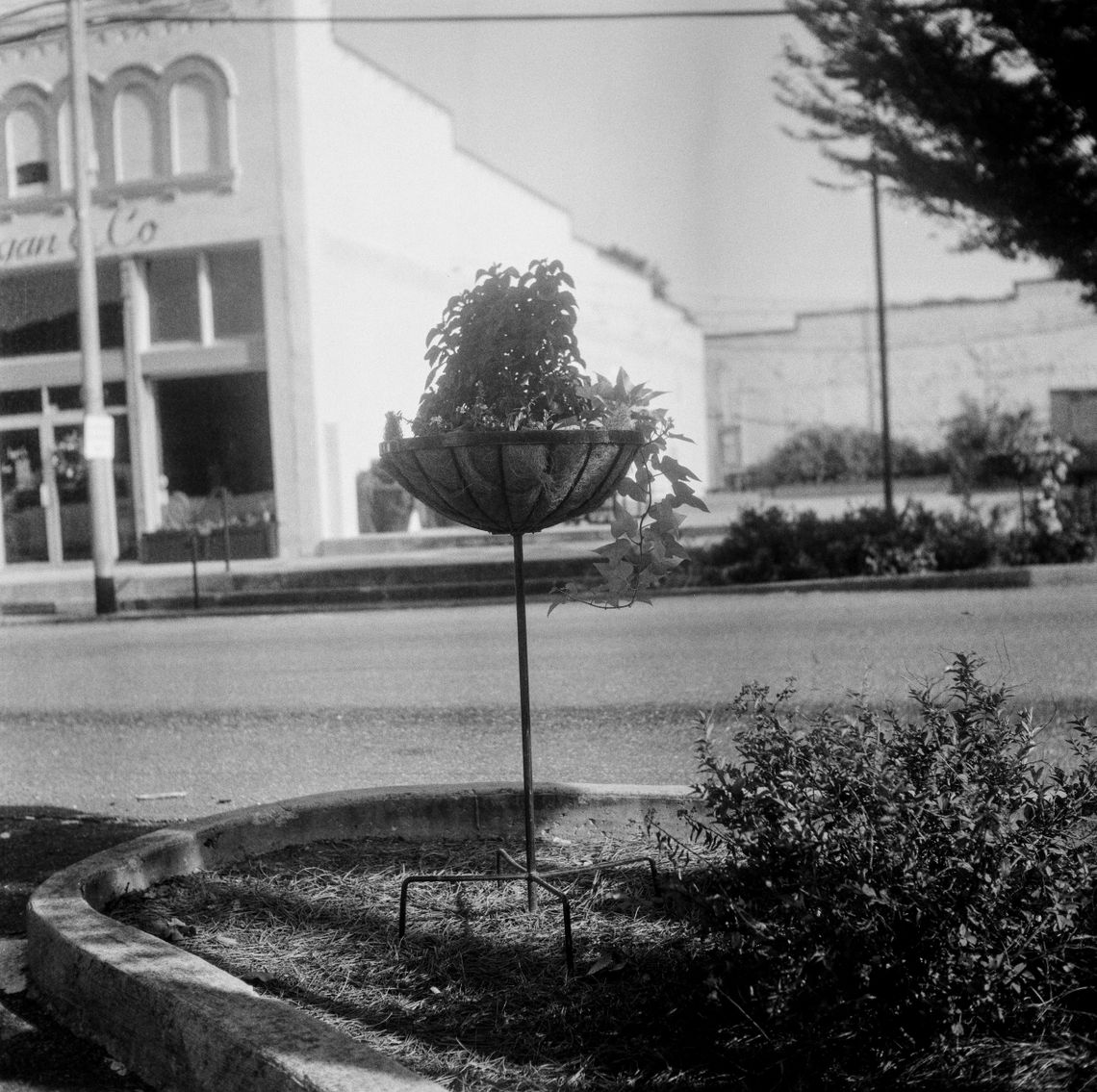
Incarcerated workers produced these metal plant stands on Main Street in Senatobia, Miss.
Do you know what in your community is made by incarcerated people?
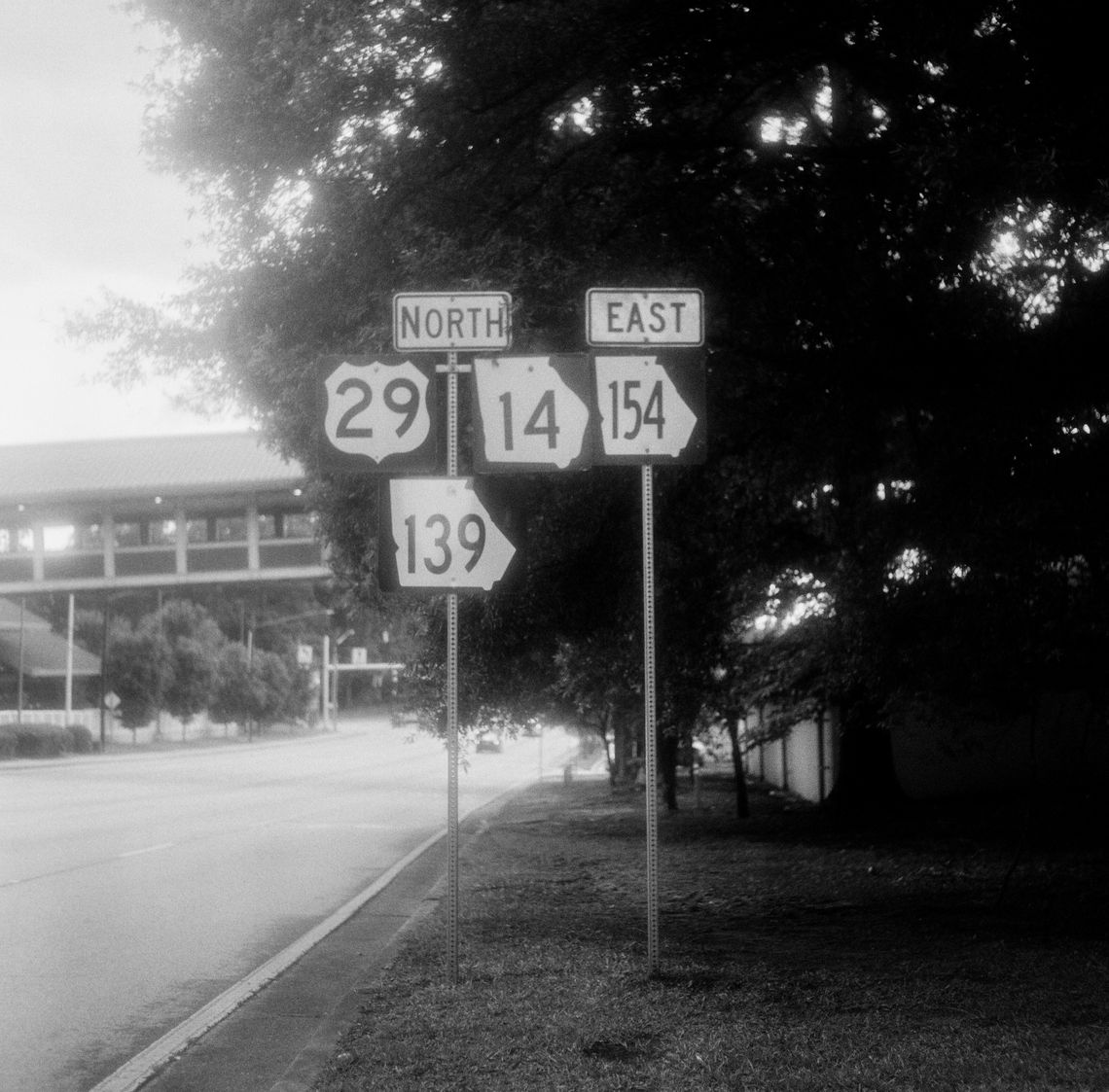
Road signs on a state-maintained road in Atlanta. Georgia Correctional Industries is responsible for producing most of the signs on state-maintained roads in Georgia for the Georgia Department of Transportation, according to a GCI official.
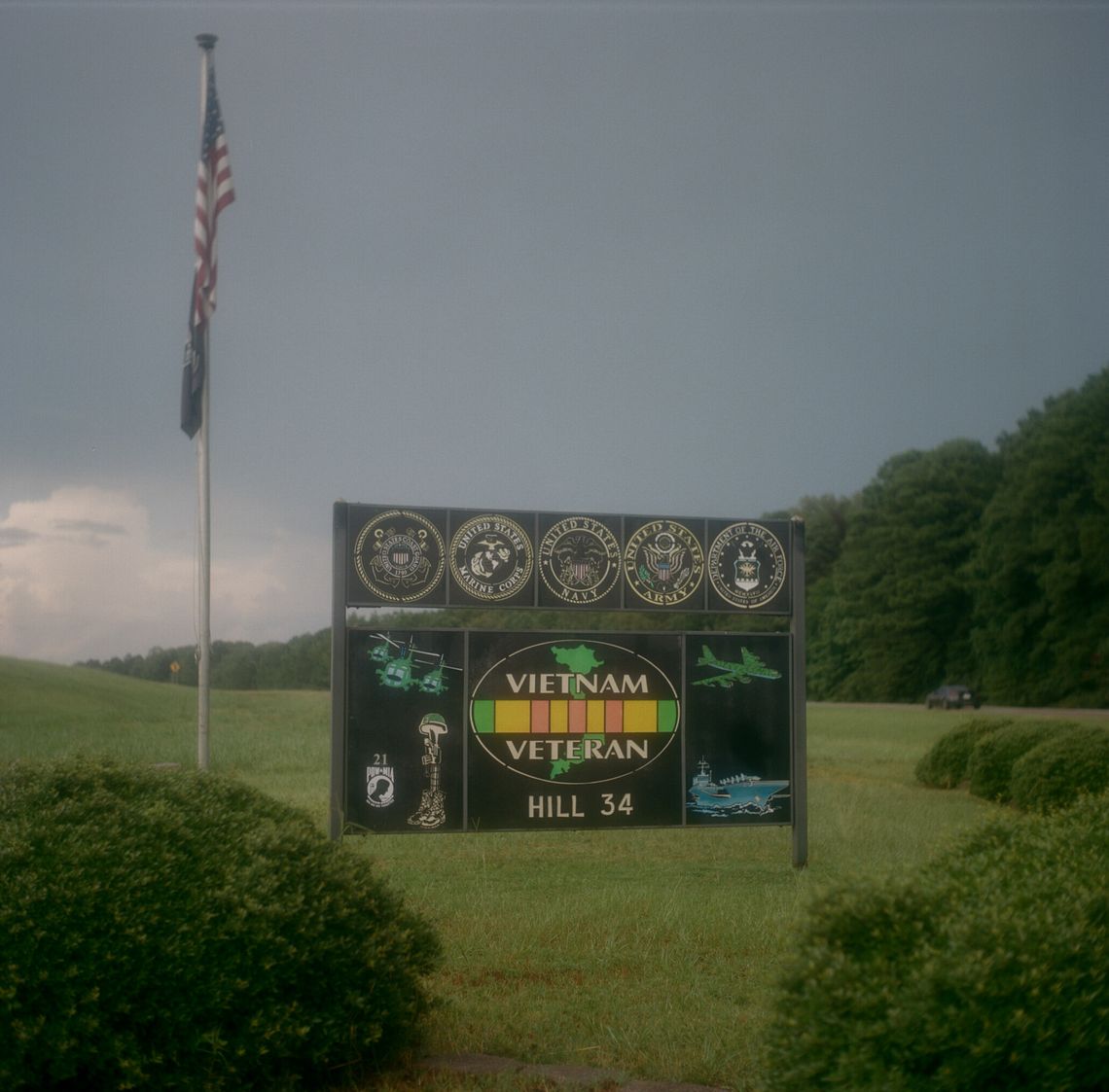
The Vietnam Veterans Memorial in White Hall, Ark., was designed and constructed by incarcerated workers with Arkansas Correctional Industries. The Arkansas Department of Corrections website notes that “One of the offenders who worked on the project served in the Vietnam War, and two were directly related to someone who served.”
Left: The Arkansas Governor’s Mansion in Little Rock — currently home to Sarah Huckabee Sanders — continues to use the labor of incarcerated workers for “household/maintenance duties” on the grounds, according to the Arkansas Governor’s Mansion Commission. Right: The Arkansas State Capitol similarly uses incarcerated workers for maintenance, cooking and landscaping. They are not paid for their labor.
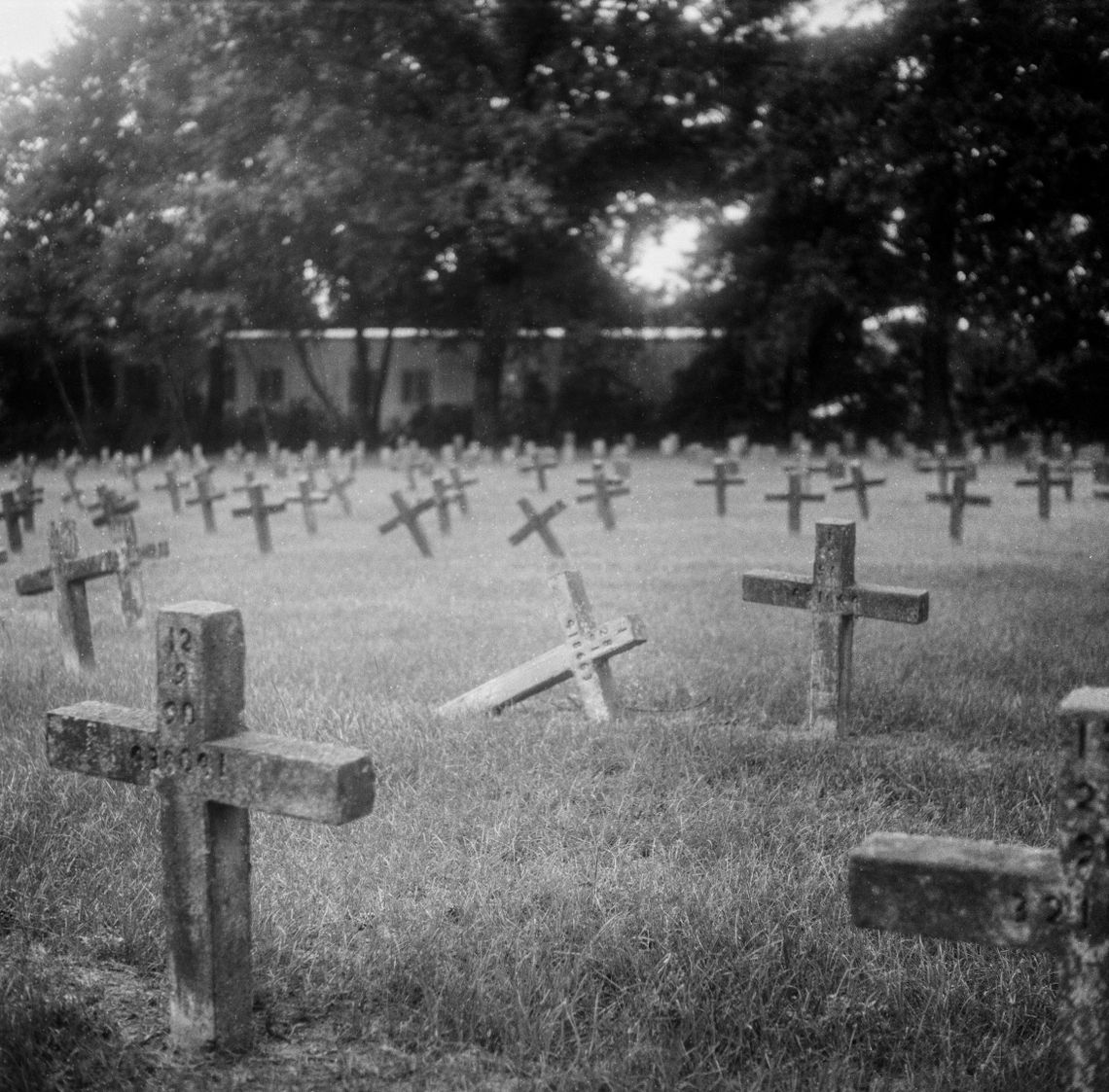
The grounds of the Captain Joe Byrd Cemetery in Huntsville, Texas, are maintained by incarcerated workers with the Texas Department of Criminal Justice. An estimated 3,000 prisoners are buried on the grounds — most of whom were unclaimed by family members.
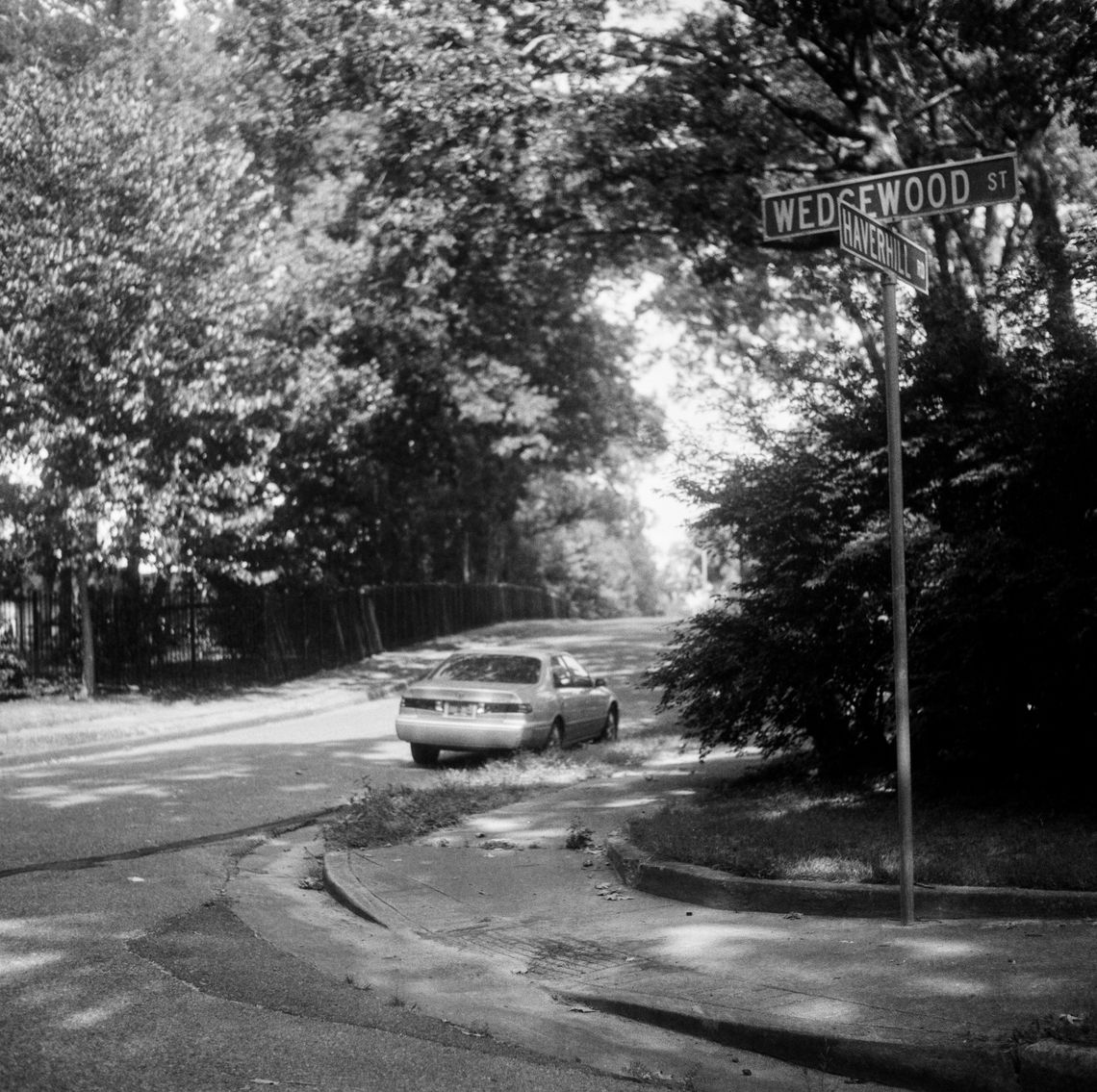
License plates for all 95 Tennessee counties are produced by incarcerated workers in conjunction with TRICOR (Tennessee Rehabilitative Initiative in Correction).
This project was supported by a Carol Lavin-Bernick Faculty Grant from Tulane University.
Daniella Zalcman is a documentary photographer based in New Orleans. She is the founder of Women Photograph, a journalism professor at Tulane University, and a multiple grantee of the National Geographic Society and the Pulitzer Center on Crisis Reporting, and has held fellowships with CatchLight and the International Women’s Media Foundation.